Founders Corner: Hard Won Lessons from Building in 2025
From surviving crisis calls at 2 AM to navigating Australia's fundraising landscape —the unfiltered insights from last year's Founders Corner.


Throughout 2025, our now beloved Founders Corner newsletter section featured candid conversations with our founders navigating the evolving landscape of AI, startups, and building meaningful companies.
From managing teams through crisis to understanding the hidden costs of founder life, these three short interviews offer unfiltered insights into what it really takes to build something from the ground up. Here's a compilation of the wisdom, battle scars, and practical advice our founders shared this year.
Subscribe now to get our next interview in your inbox.
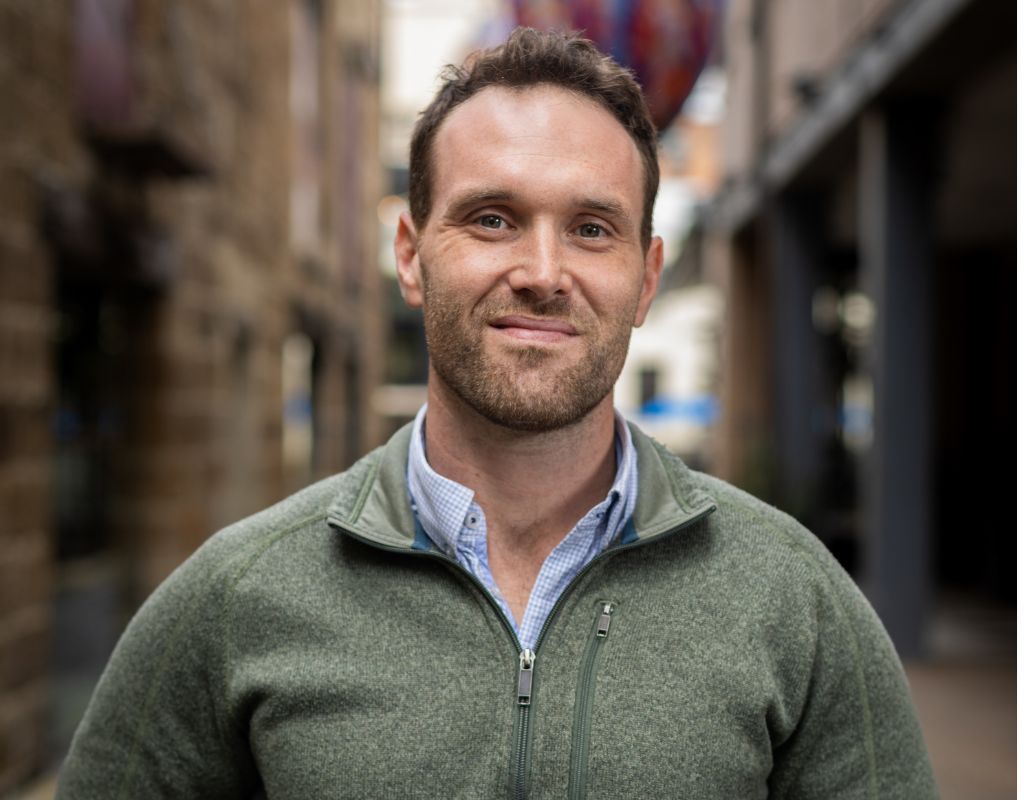
Why Copilot is Embarrassingly Bad (And What Actually Works)
On diving deep into user problems, surviving Australia's risk-averse VCs, and the rise of vertical AI with Will Ashford, Founder, TrueState
2025—What did you see from a founder's perspective working in the world of data and AI?
Going the extra mile and diving into user problems properly. It's the hardest part of building data and AI products, but it's the real differentiator.
The alternative is skimming the surface and hoping your AI integration solves the rest. It doesn't work, and it's why you see products like Copilot being so embarrassingly bad.
What do you think will be the big thing for 2026 for founders?
I think the cost to develop an MVP continues to nosedive, and the capability of vibe-coded MVPs is increasing so much that non-tech founders will be able to find PMF faster and cheaper than ever before.
It's a very cool time to build something new.
The flip side is that distribution matters more than ever before. Gaining an understanding of effective paid marketing and organic content strategy will be even more critical for founders.
What was the most challenging thing for you this year as a founder?
As an Australian founder, you operate in a completely different capital market to what you see in the U.S.
Australian VC investors are typically conservative and surprisingly risk-averse, expecting GTM maturity at seed that would qualify you for a Series A round anywhere else in the world (we're looking towards our seed round next year).
For me this meant making tough decisions to reallocate capital (and headcount) from engineering to go-to-market (sales + marketing). I have no doubt that as a company we'll make the GTM milestones required, but it hasn't been a walk in the park.
Character building, I guess…
Where do you think 2026 takes us?
I think we see the evolution and celebration of deeply vertical AI applications for a handful of industries and functions.
This only comes from small technical teams obsessing over problems they know intimately.
A small proportion of these teams will be capable enough in both product and distribution to make it out of their earliest stages alive.
Expect great things.
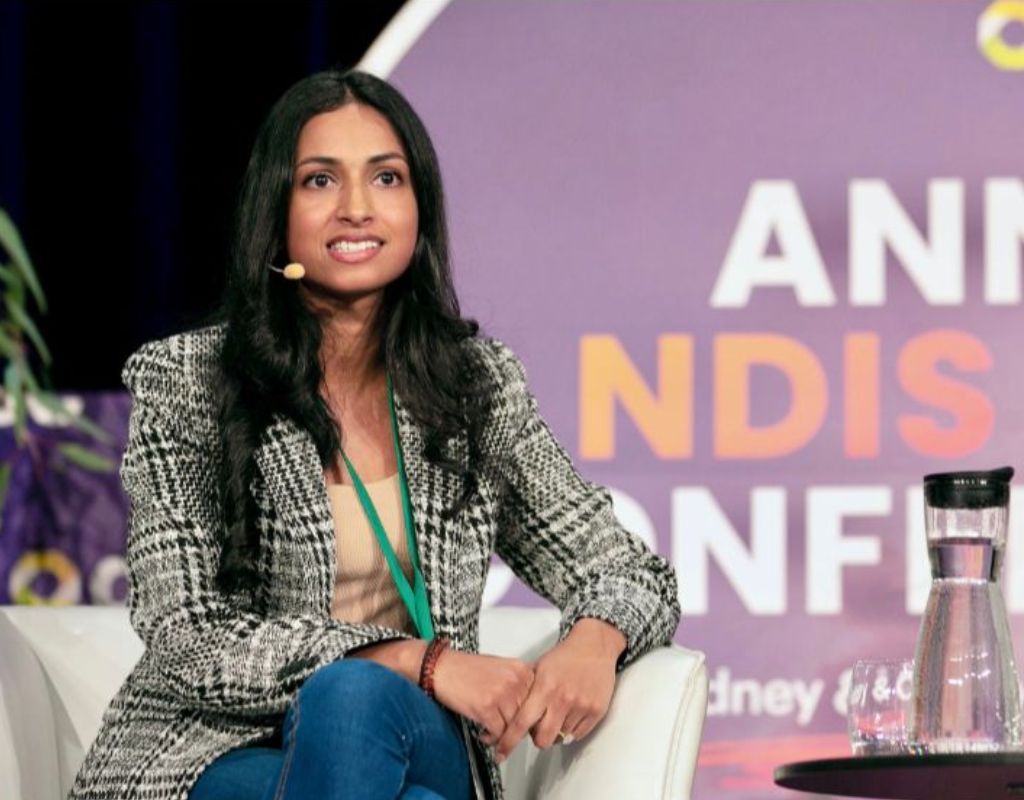
The 2 AM Crisis Call That Defined My Leadership
What happens when your CEO quits via out-of-office, you're $250K in debt, and your team is watching with Nikita Fernandes, Founder Fora Therapy
Q: What are practical ways to get the best out of your team and to create a culture you are into and proud of?
Picture this: It's 2 am in Norway. You're meant to be on a career-defining scholarship trip, breathing in fjords and healthcare and disability policy. Instead, your phone lights up with Slack messages from your team in Melbourne:
"Hey... did [insert CEO name] just quit?"
"Got an out-of-office email from him saying he's left the company?"
No heads up. No handover. Absolute chaos. It's now 4 am, and I'm on Zoom with my entire team, explaining:
Yes, he left. No, I'm not going anywhere.
Yes, we're $250K in debt. But I have a plan.
And then… something wild happens.
My team (some of them crying, others visibly freaking out, many have been underpaid, everyone uncertain) starts thanking me.
Why? Because I didn't lie. I didn't sugarcoat. I told them the truth with clarity, compassion, and a plan.
That's what culture actually is.
Not a ping-pong table. Not your Notion wiki.
It's how you show up when the building is on fire.
It's whether people still trust you when they have every reason not to.
It's whether you can raise your team's capacity for gratitude in the middle of a crisis. This was my proudest moment. Second was ensuring all their unpaid entitlements were paid in full, only 12 months later.
Tactical takeaways:
Be radically transparent. Especially when things suck. Your employees are adults and they deserve to make well-informed decisions.
Fire quickly when values aren't aligned (don't let rot fester). I like the quote "Nothing will kill a great employee faster than watching you tolerate a bad one".
Hire people who know what "ownership" actually means.
The vibe I aim for? Calm in the chaos. Clear in the confusion. Kind, and never cowardly.
Founder life is unique, what are personality traits, values, ideas that help to make it successful? What traits should a founder look for in forming a co-founder relationship?
To me, it's two questions:
1: Does this person have the skills/experience to build this product?
2: Can they stay emotionally regulated when it works?
Because when it works is often just as brutal as when it doesn't.
You've suddenly got traction, expectations, scrutiny, and real stakes. It's a long-haul grind where your nervous system gets tested daily.
So if you're picking a co-founder, don't just check for tech skills... check for stamina.
Do they run out of juice when things get hard?
Do they need praise to feel purposeful?
Is their identity built on momentum and wins, or are they grounded even when everything slows down?
If someone's sense of self is based on being "the smart one" or "the successful one," then the first failed launch, the first public criticism, the first revenue dip... will crack their entire foundation.
ALSO, please find and be a founder with unimpeachable character. Someone who does the right thing when no one is watching. You can't teach character.
You should try to spot it early... or you'll pay for it later.
Founders who make it long-term aren't the most technical.
They're the ones who can:
Regulate their emotions in high-stakes environments
Aren't distracted by shiny-new-object syndrome
Hold multiple truths at once (we're failing and we'll make it)
Work through identity deaths (losing the title, losing the hype, losing the plan)
And keep showing up anyway.
Q: We talk a lot about founder mental health in Australia, what do you think are important things that we should focus on? Are there insights that aren't being pattern matched to help support founders where they are at?
I'm glad we're talking about mental health. But most of what we call "founder wellness" in Australia feels so fake.
Panels with consultants and investors who have never been a founder themselves???
Please.
Meanwhile… Founders are walking around like zombies with unprocessed trauma, identity confusion, and ego collapse and then still showing up to investor meetings pretending they're crushing it.
We need language for what happens when your entire nervous system is fried and you still have to do payroll tomorrow.
Because if we really cared about founder psychology, we'd start treating it like a business risk. Because it is the biggest risk!!!
Startups don't die from bad code or slow sales.
They die when the founder burns out, breaks down, or blows up the team.
They die when the pressure exceeds the founder's emotional capacity.
They die when you've got a strategy but no self-awareness. When your identity can't hold the weight of leadership, no KPI dashboard is gonna save you.
Q: So what should we focus on instead?
Nervous system regulation. Can you stay calm when the roof's caving in?
Identity work. Do you know (and respect) yourself without external success?
Accountability. Do you surround yourself with people who'll call you out, not just clap?
Community. Not just surface-level networking, but group chats where someone asks, "Hey, are you okay?"
Longevity in business starts with the humans running it.
We need regulated, resilient humans.
We're in the Age of AI—And Families Are About to Save Thousands
How real-time price comparison and AI meal planning are solving the grocery budget crisis with Adrian Liu, Founder, WiseList
Q: Tell us what is new with WiseList app and what you're working on?
We are thrilled to announce the upcoming launch of our AI-Powered Meal Planning tool, a world-first in combining real-time supermarket price comparison with personalised meal suggestions. This feature allows users to maximise their weekly grocery budgets—such as $200—by suggesting recipes that align with their dietary preferences and directing them to where ingredients are cheapest. This tool is designed to ensure that families can achieve maximum value for every dollar spent, making meal preparation both cost-effective and tailored to their needs.
Moreover, we have expanded our price comparison features to include ALDI, significantly broadening our users' shopping options and ensuring they always find the best deals.
Q: Why do you love building WiseList?
What drives my passion for WiseList is the opportunity to develop, introduce, and refine features that genuinely enhance the daily efficiency of our users' lives. Starting with our core grocery price comparison tool, we have continuously evolved to meet the broader needs of our users. For instance, our Fridge and Pantry Lists help users manage their home inventory more effectively, alerting them before items expire and reducing food waste while optimizing grocery spending.
Additionally, our Ask WiseList feature exemplifies our commitment to user-centric design by allowing users to effortlessly create customized lists. Whether planning a birthday party or organizing a weekend getaway, users can rely on WiseList to handle the details, ensuring nothing is forgotten.
These innovations underscore our mission at WiseList: to simplify the complexities of daily life, making it more manageable and enjoyable for families everywhere. I believe we are at a pivotal moment, akin to the early 2000s with the advent of the internet—today, we are in the age of AI, which holds unprecedented potential to significantly enhance daily life efficiency. It's a thrilling time to be at the forefront of technology, crafting tools that can fundamentally change the way people live and manage their daily tasks using AI.
Keep reading.
 AdviceA Founder's Guide To Securing Galileo Funding Galileo's updated founder guide for what we like to see when investing in emerging founders in their first round of funding.
 AdviceTackling Sales Bottlenecks To Close Early First CustomersInsights from sales expert Austin Nichols on tackling sales bottlenecks and identifying product versus sales issues to close your first customers.